


-

Add: HeBei ShengShi HongBang Cellulose Technology CO.,LTD.
-

Email
13180486930@163.com -

CONTACT US
+86 13180486930





-
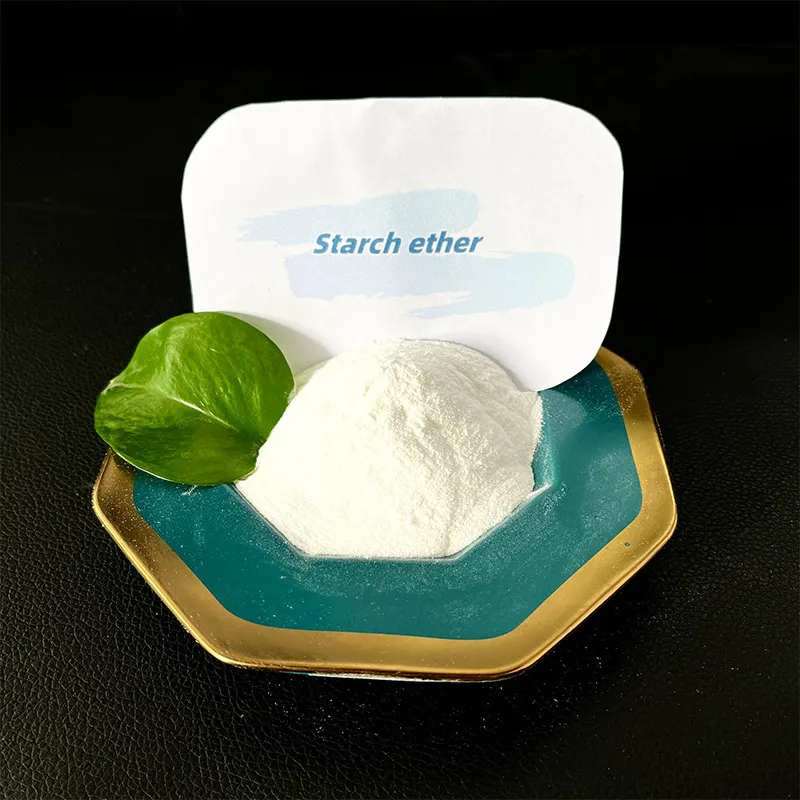
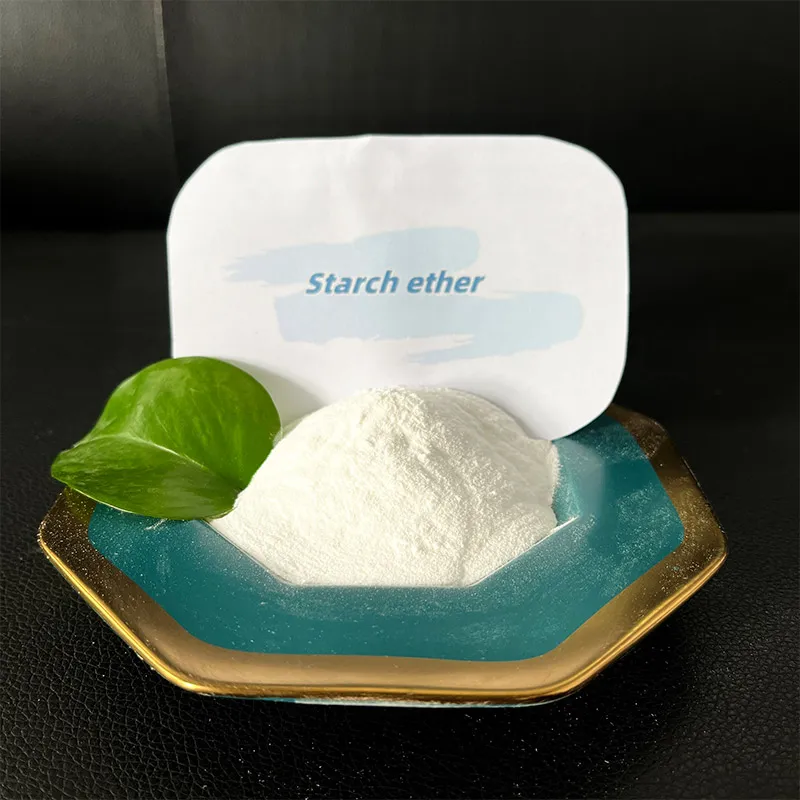
Exploring the Intricacies of Hydroxyethyl Starch (HES) A Critical Product Insight Hydroxyethyl starch (HES) is a synthetic derivative of amylopectin, a polysaccharide that has carved a niche for itself in the medical field as a plasma volume expander. The significance of HES lies in its ability to mimic the colloidal properties of human plasma, rendering it instrumental during surgeries and in managing cases of hypovolemia, where blood volume is critically low. This article delves into the complexities of HES, offering an experience-driven, expert, and authoritative narrative that is both informative and trustworthy. In medical practice, the utility of HES is multifaceted. Its primary function is to stabilize patients undergoing major blood loss by maintaining hemodynamic parameters. Over the years, various formulations of HES have been developed, each differing in molecular weight and degree of molar substitution, influencing both their efficacy and safety profiles. The unique behavior of HES in the human body depends heavily on these characteristics, which are crucial for appropriate clinical applications. From a clinical perspective, the choice of using HES over other volume expanders depends on several factors. Experience from various case studies indicates that HES is favored in scenarios where rapid plasma volume expansion is necessary. Its ability to prolong intravascular retention without causing a rapid shift of fluids into the extravascular space is one of its most valued traits. Experts emphasize the importance of understanding the pharmacokinetics of HES, highlighting that products like HES 130/0.4 are optimized for their balance between effectivity and safety. hes hydroxyethyl starch Expertise in the administration of HES is vital. With growing concerns regarding the safety of synthetic colloids, it becomes essential to ensure accurate dosing based on the patient's physiological status and the severity of hypovolemia. Recent research supports cautious use, advocating for monitoring kidney function due to potential nephrotoxic effects especially in critically ill patients. This aligns with findings from several controlled studies revealing that HES can impact renal outcomes dependent on product type and patient status, reinforcing the need for careful patient selection. The regulatory landscape surrounding HES underscores the importance of authoritative guidance. Regulatory bodies like the U.S. FDA and the European Medicines Agency have issued guidelines and warnings regarding its use, primarily aimed at restricting it to situations where benefits outweigh risks. These organizations stress the necessity for healthcare providers to exercise clinical judgment, backed by authoritative recommendations, ensuring that the use of HES aligns with current safety standards. Trustworthiness in HES usage also translates to transparency in patient communication. Ensuring patients are aware of the potential risks and benefits associated with HES formulations is critical. Informed consent becomes more than a formality; it is a cornerstone of patient care that fosters trust and compliance. This integrative approach not only supports patient autonomy but also facilitates better clinical outcomes by aligning patient expectations with therapeutic goals. In conclusion, hydroxyethyl starch remains a significant tool in the arsenal of volume expanders within medical settings . While its usage requires a delicate balance of experience, expertise, and cautious regulation adherence, its benefits—when deployed appropriately—are irrefutable. Ongoing research and evolving guidelines will continue to shape the landscape of HES application, reaffirming the need for a thorough understanding of its nuances by healthcare professionals. This ensures not only optimal patient outcomes but also fortifies the standing of HES as a trusted and reliable medical product in managing plasma volume deficits.
-
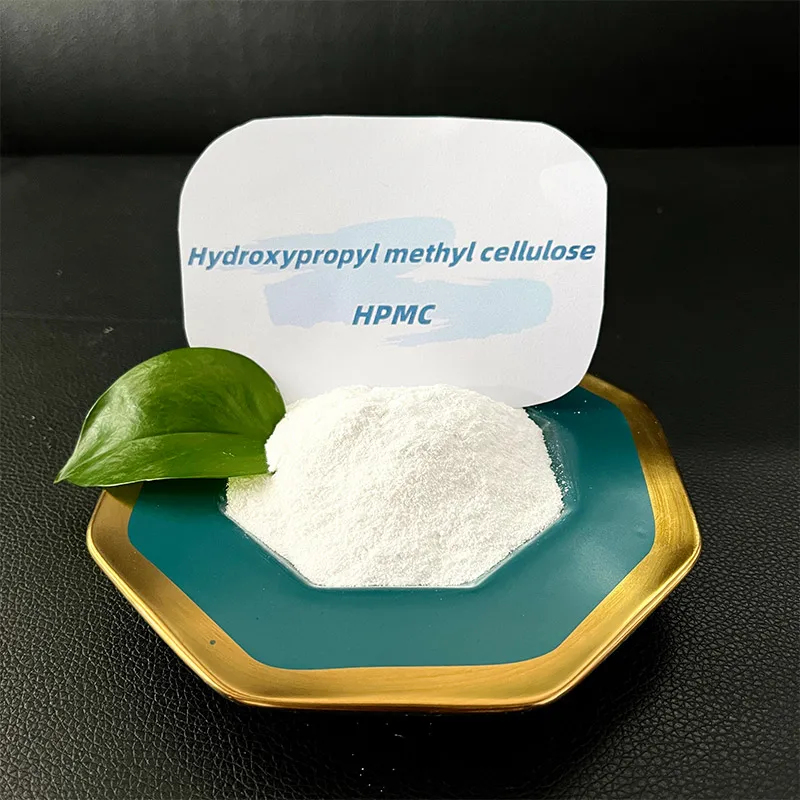
In the world of industrial applications, particularly in the realm of pharmaceuticals and construction, two polymers often come to the forefront Hydroxyethyl Cellulose (HEC) and Hydroxypropyl Methylcellulose (HPMC). Both are cellulose derivatives, but their distinct properties and applications make choosing between them a critical decision based on specific project requirements. HEC is favored in scenarios where high levels of water retention and thickening are paramount . This makes it ideal for use in paint formulations, where it acts as a rheology modifier, ensuring a smooth application and consistent pigment distribution. Moreover, in the construction industry, HEC finds its role in tile adhesives and cement-based mortars, enhancing workability and open time. Its water-retentive abilities allow for extended working times and prevent rapid drying, which is crucial for optimum setting and bonding. In contrast, HPMC is often chosen for its superior film-forming capabilities and its ability to withstand higher temperatures, making it indispensable in the pharmaceutical industry. Used as a binder and controlled-release agent in tablet formulations, HPMC ensures the stability and efficacy of medications over time. Additionally, in building and construction applications, HPMC's robust adhesive properties and resistance to environmental conditions make it an excellent choice for rendering and plastering tasks. A deep dive into the synthesis of these polymers reveals that HEC is derived by reacting ethylene oxide with alkali cellulose, while HPMC is produced by the reaction of alkali cellulose with propylene oxide and methyl chloride. These reactions imbue each polymer with its unique characteristics, influencing their solubility, viscosity, and thermal stability. For example, HEC dissolves readily in water, forming clear solutions, whereas HPMC requires a more gradual introduction to water, with full hydration enhancing its thickening efficiency. hec vs hpmc From an expert perspective, the choice between HEC and HPMC should be guided by the specific conditions of use. In a project with fluctuating temperatures or one requiring a protective film, HPMC's thermal resilience is unmatched. On the other hand, when dealing with formulations where prolonged moisture retention is critical, as seen in certain adhesive applications, HEC stands out with its exceptional hydrophilicity. Authoritative studies have supported the use of HPMC in pharmaceutical coatings where consistency and reliability are non-negotiable due to its non-toxic nature and FDA approval for direct contact with food and drugs. Similarly, trust in HEC is evident in its long-standing use in latex paint systems, where its compatibility and stability ensure a prolonged shelf-life and superior application properties. Ultimately, the decision between HEC and HPMC hinges on a nuanced understanding of the end-use environment and desired performance outcomes. Leveraging the profound expertise inherent in these materials allows industry professionals to make informed, authoritative choices, enhancing both the quality and efficiency of their products.
advantages
-

200000 Viscosities
Excellent product
We can produce pure products up to 200,000 viscosities
-

40000 tons
High yield
We don’t stop production all year round, and the annual output can reach 40,000 tons
-

24 hours
Quality service
We provide 24-hours online reception service, welcome to consult at any time
———— Inquiry Form
Schedule A services


-
 hydroxypropyl_methyl_cellulose_in_food
Oct . 25, 2025
Exploring HPMC E15 A Versatile Excipient in Pharmaceutical Applications Hydroxypropyl Methylcellulos -
 kegunaan_hidroksipropil_metilselulosa
Oct . 25, 2025
Hydroxypropyl methylcellulose (HPMC) is a versatile product that has gained tremendous attention acr -
 methyl_hydroxyethyl_cellulose_uses
Oct . 25, 2025
Understanding the nuances of HPMC enteric coating is crucial for anyone involved in pharmaceuticals,


